
01
Market analysis
Prices, supply and crop timing before you decide, including when to wait.
Every shipment runs through the same ten stations, tracked in one system, with one point of contact. Two decisions are yours; the rest is ours to run.
Product, spec, volume, destination, timing.
What's realistic on price, origin and crop timing, including when to wait.
A firm offer from the plant that fits.
Documentary and logistics requirements confirmed; samples arranged if needed.
Signed and filed; every later step is tracked against it.
Vessel, containers and loading dates confirmed inside the contract window.
Quality, labels and specific requirements checked against contract terms.
BL, invoice, packing list, certificates: checked, sent, filed.
Schedule agreed up front, followed until closed.
Reception at destination, claims if any, next contract.
Filled stations are yours.
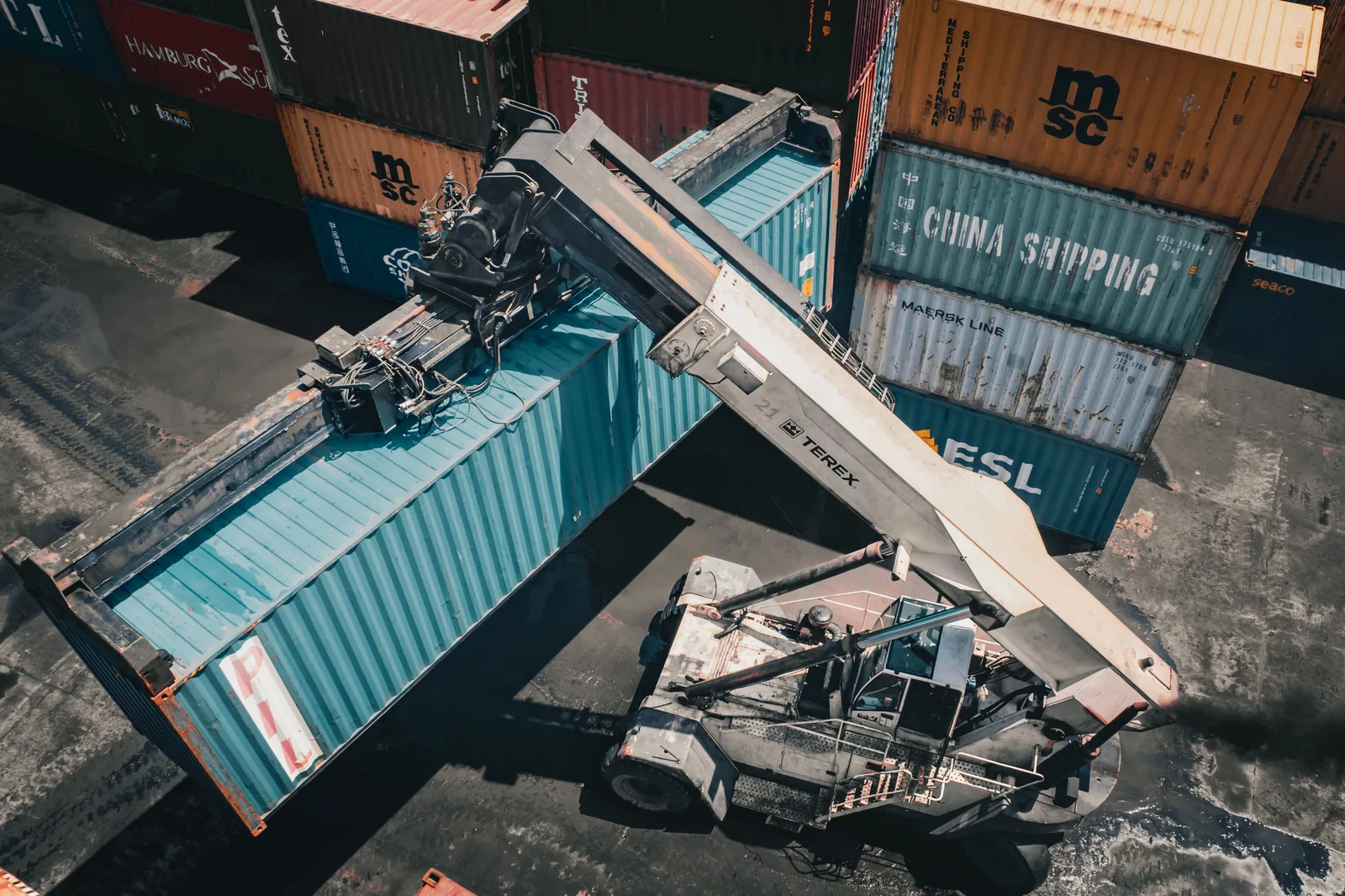
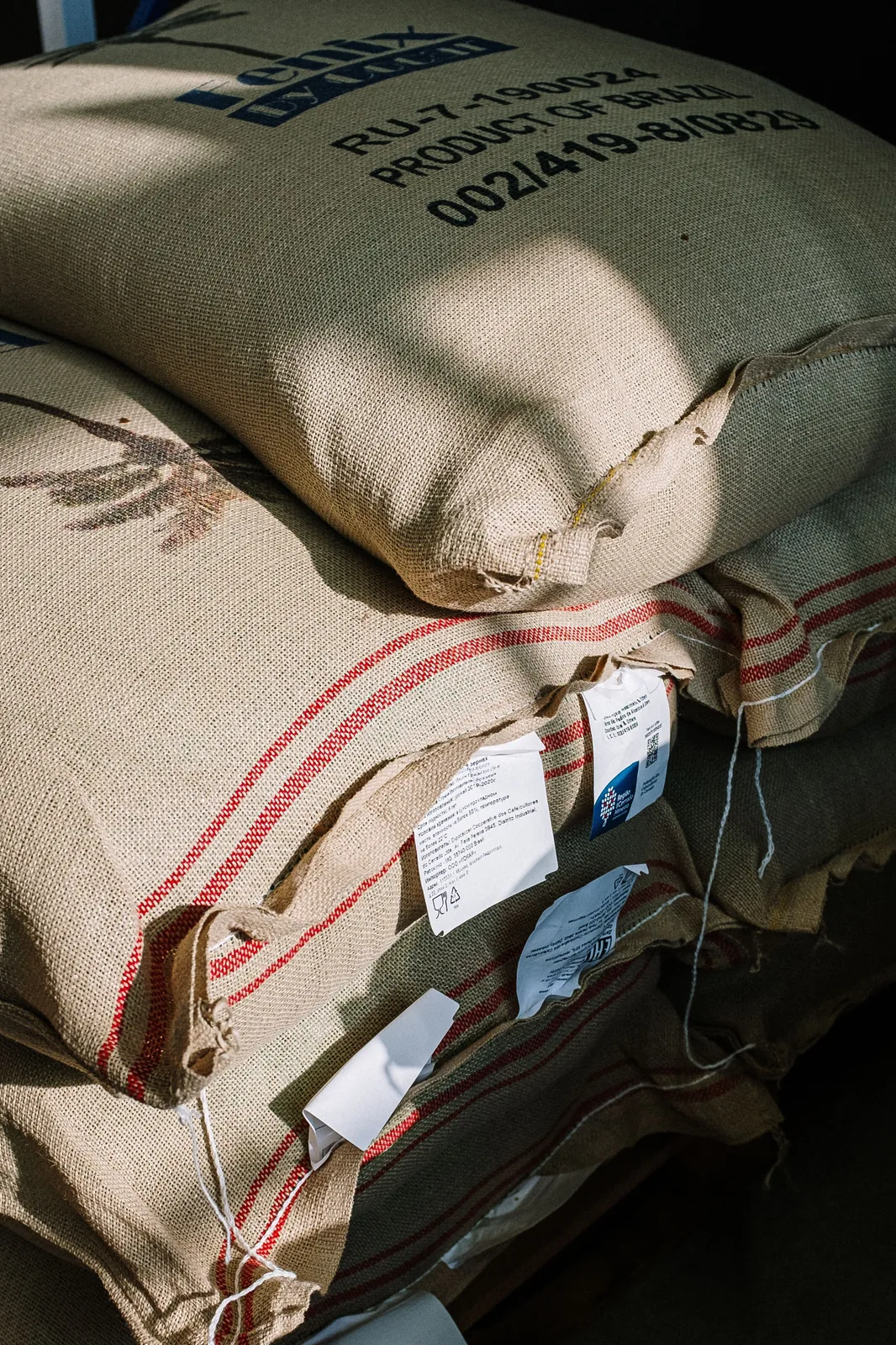
Prices, supply and crop timing before you decide, including when to wait.
The plant that fits your spec, volume and destination.
A firm offer and contract terms that hold shipment after shipment.
Booking, loading dates and pre-loading control inside the contract window.
Representative samples arranged before you commit.
Counts, grades, labels and packaging adapted to your specification.
Documents, payment follow-up, reception at destination and claims if any.
Tango Crops is a trading house for peanuts and seeds that sits on both sides of the trade. Partner processors in South America and China sell to international buyers through us as their preferred channel. Buyers mandate us to find the right product at origin: plant, spec, price and timing, and to tell them when to wait. Every shipment runs through the same ten stations, tracked in one system, with one point of contact.
Peanuts first: raw in-shell and shelled runners, blanched, roasted, fried, chopped, and paste or butter, in counts from 38/42 to 60/70 for raw and 25/29 to 40/50 for blanched. Alongside them, chia (black and white), confectionery and oil-crushing sunflower, and natural or hulled sesame. Counts and grades are indicative and confirmed per contract.
Argentina, Paraguay and China, where we have our own team on the ground and one partner processor per origin. Argentina is our home market, in Córdoba; Paraguay supplies raw runners, chia and sesame; China supplies blanched, roasted, fried and chopped peanuts and paste. Brazil, the USA and India are followed from public and trade data in our market intelligence only. On the destination side, we ship to Europe, Asia, Latin America, the Middle East and Oceania.
We work with one processor per origin rather than a directory of suppliers. Each plant produces in certified facilities, is visited by our team at least once a year, and ships every lot with quality certificates checked against spec. In return, the plant treats Tango Crops as its preferred channel to international buyers, so buying from them means talking to us.
Aflatoxin and pesticide limits are managed per destination market, with EU specs on request. Before departure we check lot-level certificates against the contract spec, and those certificates travel with the documents. Labels and specific requirements are checked at pre-loading, and any claim is handled by the same team that placed the contract.
Through the same ten stations every time: booking inside the contract window, pre-loading control, documents (BL, invoice, packing list, certificates) checked and sent, payment followed until closed, and reception at destination. Each shipment carries a checklist and you can ask where yours is at any time.
Tell us product, volume and destination, and any timing you have in mind, through the offer form or by email. You will hear back from someone who can quote, with a read on what is realistic on price, origin and crop timing. If it makes sense to wait, we will say so. Factories interested in a partnership can write to us the same way.
Through Tango Crops: we source Argentine peanuts from leading shellers in Córdoba on behalf of buyers and quote from our home market, where our team is based. Argentina is the world's leading peanut exporter and a reference supplier for Europe: the 2024/25 crop was estimated at a record 1.81 million tons according to USDA FAS, with the European Union as its main destination. Tell us product, count, volume and destination and you will hear back from someone who can quote.
Raw in-shell and shelled runners from 38/42 to 60/70, plus splits, from Argentina and Paraguay; blanched whole and splits from 25/29 to 40/50 from China and Argentina; roasted, fried and chopped peanuts from China, with chopped also from Argentina; and natural or stabilized paste and butter from Argentina and China. Counts and grades are indicative and confirmed per contract. Certifications for each factory are available on request.
Argentina harvests in the austral autumn, counter-seasonal to the northern hemisphere: the marketing year USDA FAS uses for Argentine peanuts starts in March, and the 2024/25 harvest wrapped up towards late August 2025 after delays caused by excess moisture. Paraguay harvests between January and April, according to the local crop calendar. Timing shifts every season, so before you commit we tell you what is realistic on crop timing, including when to wait.
Yes. Samples and specs come before the contract: station 4 of our ten stations, Requirements & samples, confirms documentary and logistics requirements and arranges representative samples if needed, and the contract itself is station 5, your decision. Every plant we work with produces in certified facilities, with certifications per factory on request, and aflatoxin and pesticide limits are managed per destination market, with EU specs on request.
Yes, from the same origins and the same partner processors as our peanuts. Chia, black and white at 99.9% purity, from Paraguay and Argentina; sunflower, confectionery in-shell and kernels as well as oil-crushing, from Argentina; and sesame, natural and hulled, from Paraguay. Grades are indicative and confirmed per contract.
Tell us product, volume and destination. You'll hear back from someone who can quote.